
Stacking Racks & Shelves are one of the most practical storage solutions for warehouses, garages, factories, workshops, retail backrooms and e-commerce fulfillment spaces. Their main purpose is simple: turn limited floor space into organized vertical storage, making goods easier to classify, access, count and manage.
If your storage area is facing problems such as messy inventory, limited floor space, slow picking, unsafe stacking or wasted vertical height, choosing the right metal rack for storage or metal storage shelving can often be more cost-effective than renting a larger warehouse.
According to Grand View Research, the global warehouse racking market was valued at USD 9.71 billion in 2024 and is projected to reach USD 12.41 billion by 2030, growing at a CAGR of 4.2% from 2025 to 2030. This reflects a clear market trend: companies are investing more in structured storage systems to improve space utilization and material handling efficiency.
Why Stacking Racks & Shelves Are Becoming More Important
1. E-Commerce Growth Requires Better Storage Organization
The rise of e-commerce, wholesale distribution and cross-border trade has changed how warehouses operate. Businesses now need to manage more SKUs, faster order cycles and higher inventory turnover. A storage area is no longer just a place to keep goods; it directly affects order speed, customer satisfaction and labor efficiency.
The U.S. Census Bureau reported that U.S. retail e-commerce sales reached USD 326.7 billion in the first quarter of 2026, increasing 2.7% from the previous quarter. This continued growth creates strong demand for flexible storage systems that support faster product access and better stock control.
For small and medium-sized warehouses, online sellers, hardware stores, spare parts rooms and garage storage areas, Stacking Racks & Shelves provide a simple way to create a clearer and more efficient storage structure.
2. Warehouse Automation Needs Standardized Storage
Warehouse automation is no longer limited to large logistics companies. Even medium-sized businesses are adopting barcode systems, WMS software, mobile carts, labeling systems and digital inventory tools.
Gartner predicts that by 2028, 80% of warehouses and distribution centers will deploy some form of warehouse automation equipment. This means storage systems must become more standardized, stable and compatible with future digital upgrades.
A well-designed metal shelving unit can support:
Barcode and QR code location labels
SKU-based storage zones
FIFO or batch inventory management
Faster picking and replenishment
Safer manual or cart-based material handling
Future WMS and automation integration
Even if a business does not currently use automation, organized metal storage shelving helps build the foundation for future warehouse upgrades.
3. Rising Warehouse Costs Push Businesses to Use Space Better
In many markets, warehouse rent, labor and land costs continue to increase. Expanding warehouse space is expensive, while improving vertical storage is usually faster and more affordable.
This is where Stacking Racks & Shelves become valuable. By using vertical height, adjustable shelf levels and modular rack layouts, businesses can store more products in the same footprint.
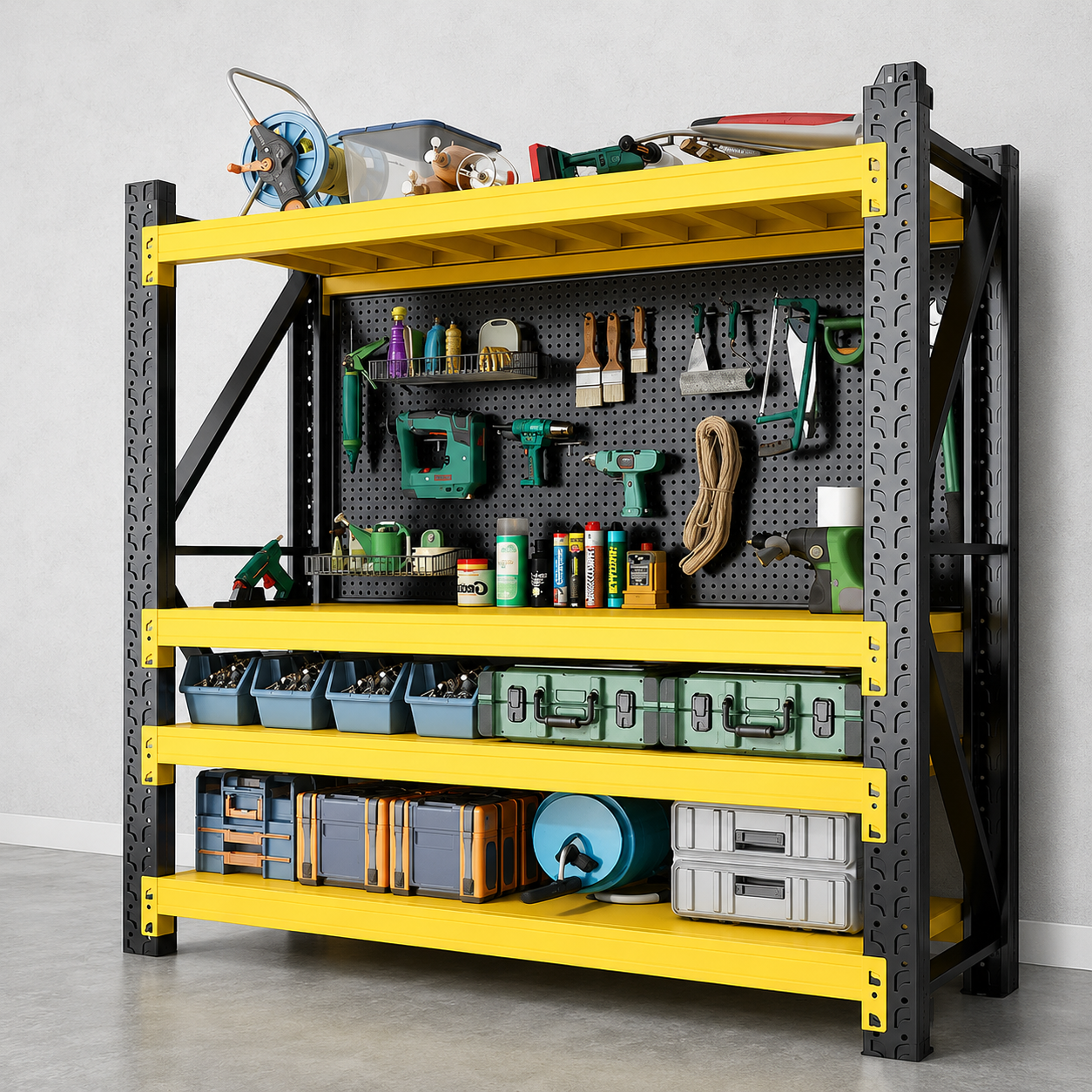
For factories, garages, supermarkets, repair shops, tool rooms and commercial storage areas, a strong metal shelf can reduce floor clutter, improve safety and make inventory easier to manage.
What Are Stacking Racks & Shelves?
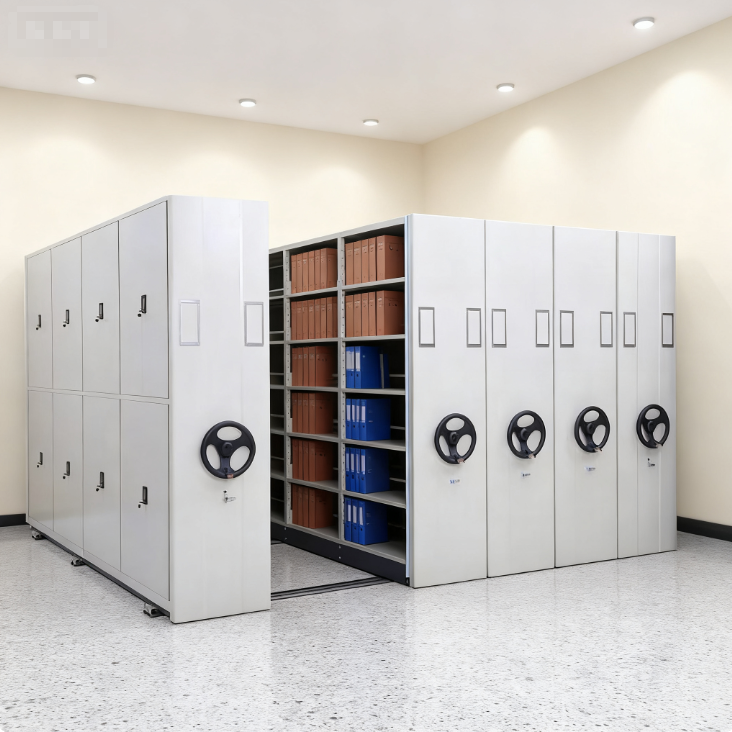
Stacking Racks & Shelves refer to storage rack systems designed for vertical organization, classified storage and space-saving material handling. They can include light-duty shelving, medium-duty shelving, heavy duty metal shelving, boltless racks, wire shelving, mobile shelving and stackable storage racks.
A typical system may include:
Steel uprights
Horizontal support beams
Metal shelf panels or wire decking
Boltless or bolted connections
Adjustable shelf levels
Anti-slip feet or leveling feet
Optional wheels, guard rails, labels or back panels
Compared with plastic or wooden shelving, metal storage shelving usually offers stronger load capacity, better structural stability and longer service life. It is more suitable for commercial, industrial and high-frequency storage environments.
Common Types of Metal Storage Shelving
Different applications require different shelving structures. The table below compares common options.
| Shelving Type | Best For | Main Advantage | Buying Tip |
|---|---|---|---|
| Adjustable Metal Shelf | Garage, warehouse, utility room | Shelf height can be adjusted | Best for mixed-size items |
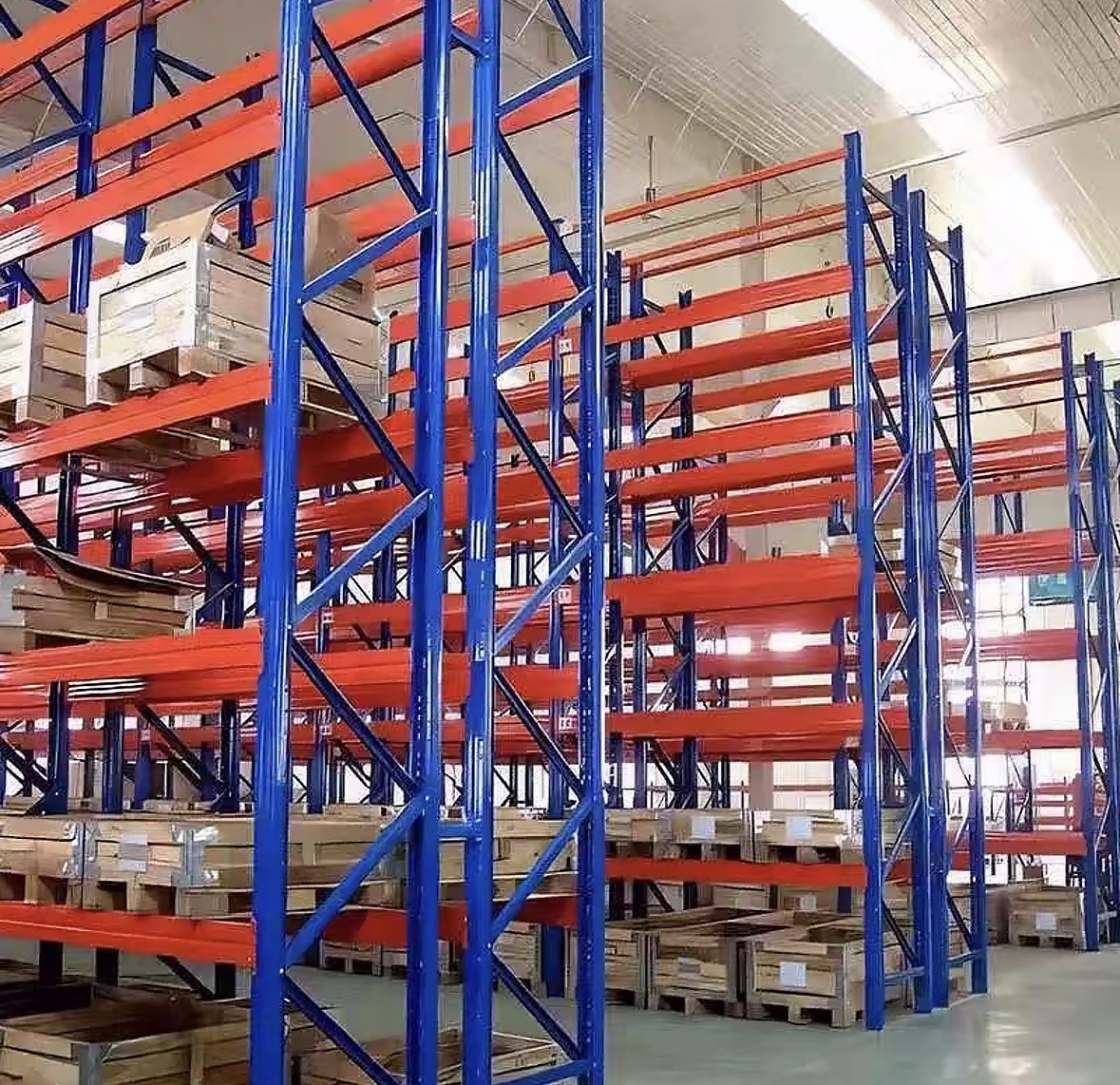
| Heavy Duty Metal Shelving | Factory, warehouse, spare parts room | Strong load capacity | Choose for heavy cartons, tools or parts |
| Wire Shelving | Kitchen, cold room, retail backroom | Good ventilation and easy cleaning | Ideal for food, catering and humid areas |
| Boltless Shelving | E-commerce warehouse, garage | Fast assembly, no complex tools | Good for quick storage setup |
| Mobile Shelving Unit | Picking area, commercial storage | Flexible and movable | Best when layout changes often |
| Stackable Rack | Temporary storage, seasonal inventory | Stackable and space-saving | Useful for flexible storage demand |
If you need to store heavy goods, a stronger metal rack for storage is recommended. If you store many different product sizes, an adjustable metal shelving unit may be more practical.
How to Choose the Right Stacking Racks & Shelves
1. Confirm the Weight of Stored Items
Load capacity is the most important factor when selecting Stacking Racks & Shelves. Before buying, confirm:
Maximum load per shelf
Total load per unit
Whether goods are evenly distributed
Whether there are concentrated heavy items
Whether the rack will be fully loaded for long periods
For example, light cartons, cleaning supplies and household items can usually be stored on medium-duty shelving. But automotive parts, metal components, machinery tools and industrial inventory require heavy duty metal shelving with stronger beams and thicker steel structure.
Do not choose shelving only by appearance or price. An under-designed rack may bend, shake or fail under long-term load.
2. Measure the Storage Space Before Buying
Before purchasing a metal rack for storage, measure the full storage area carefully:
Room length, width and height
Doorway and corner clearance
Aisle width
Wall position
Cart or forklift access
Fire exit and safety route
Ceiling height and lighting position
A good shelving layout should increase storage density without blocking movement. If workers cannot walk, pick or move goods safely, the storage system will reduce efficiency instead of improving it.
3. Choose the Right Surface Treatment
Metal shelving is used in different environments, so surface treatment matters. Common options include powder coating, galvanized finish, chrome plating and stainless steel.
Recommended options include:
Dry warehouse: powder-coated metal shelf
Humid area: galvanized or anti-rust coated shelving
Kitchen or cold room: stainless steel or wire shelving
Industrial warehouse: wear-resistant and corrosion-resistant coating
Retail storage: smooth finish with clean appearance
A good surface treatment not only improves appearance but also extends product life, especially in humid or high-use environments.
4. Consider Assembly and Packaging
For wholesale buyers and e-commerce sellers, assembly and packaging are very important. A shelving product may look good, but if it is difficult to assemble or easily damaged during transport, it can create customer complaints and after-sales problems.
A reliable metal shelving unit should have:
Clear assembly instructions
Strong carton packaging
Protected corners and panels
Stable connection design
Easy-to-identify components
Optional customized packaging for bulk orders
For importers, distributors and project buyers, packaging quality can directly affect product return rate and customer satisfaction.
Industry Insight: Why Cheap Shelving May Cost More
Many buyers compare only unit price, but the cheapest shelving is not always the lowest-cost choice. Low-quality racks may create hidden costs over time.
Common problems include:
Thin steel material
Weak shelf panels
Poor welding or connection structure
Surface coating peeling off
Rack shaking after loading
Limited load capacity
Poor packaging and transport damage
Missing accessories or unclear instructions
For commercial and industrial users, reliable metal storage shelving should balance strength, stability, finish quality, packaging and service support. A slightly higher-quality rack often performs better over years of daily use.
Typical Applications of Stacking Racks & Shelves
Stacking Racks & Shelves can be used in many storage environments, including:
Warehouse inventory organization
E-commerce product storage
Factory raw material storage
Tool and hardware management
Automotive parts storage
Garage and home organization
Supermarket and retail backrooms
Office file and supply storage
Kitchen, catering and cold room storage
For B2B buyers, metal shelving is not just a storage product. It is a practical tool for improving workflow, reducing searching time, lowering product damage and creating a safer working environment.
How to Evaluate a Professional Shelving Supplier
When selecting a supplier, buyers should look beyond product photos. A professional manufacturer should be able to support real project requirements.
Key points to check include:
Customization ability
Different warehouses need different heights, widths, shelf levels, colors and load capacities.Clear product specifications
A reliable supplier should provide material, size, load capacity, surface treatment, packaging and installation details.Factory production capability
Factory-direct supply usually provides better control over cost, lead time, customization and quality.Bulk order and project support
Wholesalers, distributors and project contractors need stable production and consistent quality.Installation guidance and packaging solution
Clear instructions and strong packaging help reduce installation mistakes and transport damage.
Conclusion: Stacking Racks & Shelves Are a Smart Storage Investment
As e-commerce grows, warehouse costs increase and supply chains become more digital, Stacking Racks & Shelves are becoming essential storage equipment for many businesses. They help improve space utilization, organize inventory, support safer operations and prepare warehouses for future growth.
Whether you need a metal rack for storage, adjustable metal shelf, heavy-duty metal shelving unit or commercial-grade metal storage shelving, the right choice should always be based on real usage conditions: item weight, storage space, access frequency, environment and future expansion needs.
FAQ
1. What are Stacking Racks & Shelves used for?
Stacking Racks & Shelves are used to organize and store goods vertically in warehouses, garages, workshops, retail backrooms, factories and commercial storage spaces.
2. What is the difference between a metal rack for storage and a normal shelf?
A metal rack for storage is usually made with steel structure, offering better load capacity, stability and durability than plastic or wooden shelves.
3. How much weight can a metal shelf hold?
The load capacity depends on steel thickness, shelf panel structure, beam design and overall size. Light-duty shelves are suitable for daily storage, while heavy-duty metal shelving is better for warehouse and industrial goods.
4. Is a metal shelving unit suitable for garage storage?
Yes. An adjustable metal shelving unit is ideal for storing tools, storage boxes, tires, cleaning products and seasonal items in a garage.
5. Can metal storage shelving be customized?
Yes. Common customization options include size, shelf levels, color, load capacity, decking type, wheels, packaging and private label branding.
6. What should I check before buying metal shelving?
Important factors include load capacity, total size, shelf levels, material thickness, surface treatment, connection design and assembly method.
7. Is wire shelving better than solid metal shelving?
Wire shelving provides better airflow and is suitable for kitchens, cold rooms and food storage. Solid metal shelving offers a flat support surface and is better for cartons, tools and general warehouse goods.
8. How can I get a professional Stacking Racks & Shelves solution?
You should provide storage space dimensions, item weight, shelf load requirements, quantity and application environment. A professional manufacturer can recommend the right structure based on your needs.
Looking for Reliable Stacking Racks & Shelves?
Looking for reliable Stacking Racks & Shelves for your warehouse, garage or commercial storage project? Contact KAYOU for factory-direct metal storage shelving solutions customized by size, load capacity, color, packaging and bulk order requirements.
Contact Us